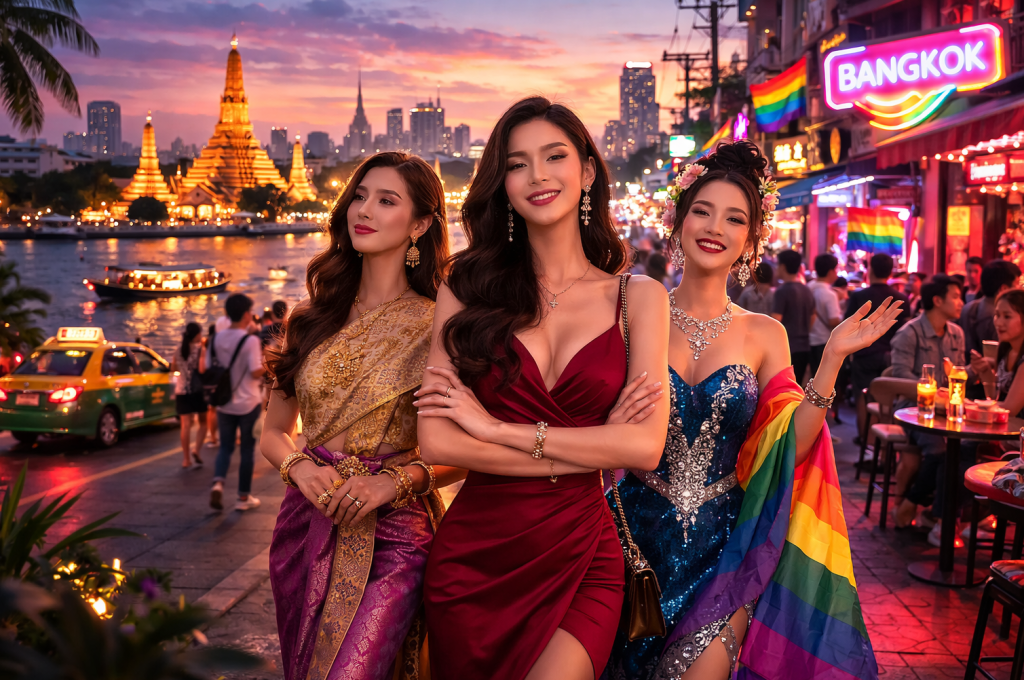
Your comprehensive guide to understanding kathoey (Thai ladyboys) – from ancient third-gender roots to modern Bangkok cabarets, beauty pageants, and respectful visitor tips. Perfect for travelers exploring Thailand’s vibrant transgender scene.
Thailand’s kathoey community – often called “ladyboys” by tourists – represents one of the world’s most visible and culturally integrated transgender populations. Whether you’re curious about the history of Thai transgender culture, planning a night out at iconic ladyboy cabarets in Bangkok, or seeking respectful ways to engage with kathoey in daily life, this in-depth guide covers everything. We’ll explore terminology, Buddhist influences, legal realities, famous icons, and the thriving Bangkok nightlife scene that draws millions of visitors yearly.
What Is a Kathoey? Understanding “Ladyboy” in the Thai Context
Kathoey (pronounced “ka-toey” or กะเทย in Thai) is a traditional Thai term for people assigned male at birth who present as feminine or transfeminine. It broadly includes trans women, effeminate gay men, and androgynous individuals – often viewed as a “third gender” (phet thi sam) in Thai society.
The English term “ladyboy” emerged in the mid-20th century, popularized by tourists and the sex industry, especially post-Vietnam War. Many in the community prefer “kathoey” or self-identify simply as phuying (woman) or phuying praphet song (“second type of woman”). “Ladyboy” can feel reductive or touristy to locals, though it’s widely used in entertainment marketing.
Key distinctions:
- Not all kathoey undergo full gender-affirming surgery (SRS).
- Many live fully as women; others express femininity without medical transition.
- It differs from Western “transgender woman” – kathoey has deep cultural roots as a recognized identity, not purely a medical one.
The Ancient History of Kathoey in Thai Culture
Gender diversity in Thailand dates back centuries. Records from the Khmer Empire (1296–1297) describe androgynous individuals, and Buddhist scriptures in the Tipiṭaka (1st century BC) reference third-gender figures as part of natural rebirth cycles.
Northern Thai creation myths speak of three genders: male, female, and mixed. Pre-modern Siam recognized kathoey as a legitimate social role – visible in villages, temples, and performances. Western colonial influences in the 19th–20th centuries introduced binary norms, but Thailand (never colonized) preserved this acceptance far better than its neighbors.
Post-WWII and during the Vietnam War era, kathoey visibility exploded with tourism, cabarets, and urban migration. The 1970s–80s saw them in entertainment, though often stereotyped. By the 1990s–2000s, global media (e.g., Beautiful Boxer) and pageants elevated their profile.
Thai Society, Buddhism & Acceptance of Kathoey
Thailand stands out for relative acceptance compared to many countries. Over 95% of Thais practice Theravada Buddhism, which frames kathoey as part of karma and rebirth – not “sin” but a consequence of past lives, deserving compassion.
Families often accept kathoey children if they fulfill duties and “do good.” Kathoey work openly in salons, shops, factories, tourism, and media. Beauty pageants like Miss Tiffany’s Universe (Pattaya, but with Bangkok ties) draw millions of TV viewers annually and boost surgery tourism.
Challenges remain: workplace discrimination, family pressure for heirs, and bullying in schools (gendered uniforms persist). Yet visibility is high – kathoey serve as spirit mediums in rural north and south Thailand, gaining respect through spiritual roles.
The 2015 Gender Equality Act bans discrimination based on “sexual expression different from birth sex,” but enforcement varies.
Kathoey in Bangkok’s World-Famous Nightlife Scene
Bangkok is ground zero for kathoey entertainment – glamorous, high-energy, and tourist-friendly. Cabarets blend Las Vegas-style spectacle with Thai classical dance, pop, and comedy.
Top Recommendations (2026):
- Calypso Cabaret at Asiatique The Riverfront — Iconic since the 1980s, featuring stunning transgender performers in elaborate costumes. 1-hour shows mix Broadway, K-pop, Thai traditions, and audience interaction. Two nightly shows; book front seats for the full dazzle. Not “just a ladyboy show” – it’s polished theater celebrating identity and artistry.


- Golden Dome Cabaret and others near major tourist areas — Similar high-production values with feather headdresses, lip-sync, and dance.
Ladyboy-themed go-go bars and shows appear in nightlife districts like Nana Plaza, Soi Cowboy, and Patpong (check current listings on BangkokAfterDark.com for the latest safe, reputable spots). Many performers are full-time artists; tipping and photos (with permission) are appreciated.
These venues highlight kathoey talent while driving Bangkok’s after-dark economy – respectful tourism supports livelihoods without exploitation.
Famous Kathoey Icons Who Shaped Thai Culture
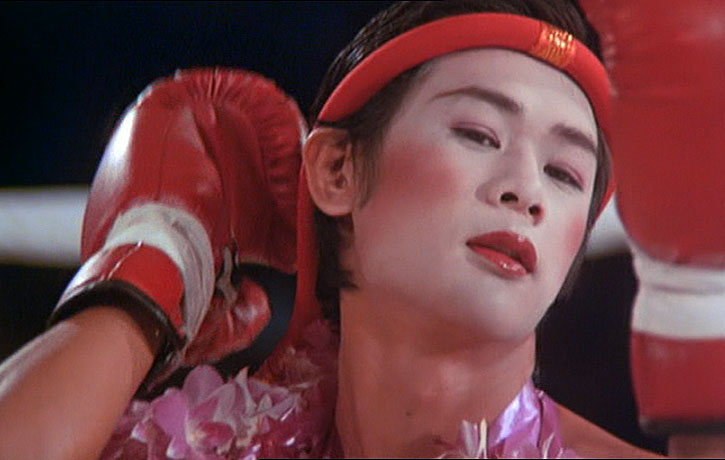
- Parinya Charoenphol (Nong Toom / Nong Tum): Muay Thai champion who fought in makeup and long hair, then transitioned. Her story inspired the 2003 film Beautiful Boxer – a global hit that humanized kathoey worldwide.

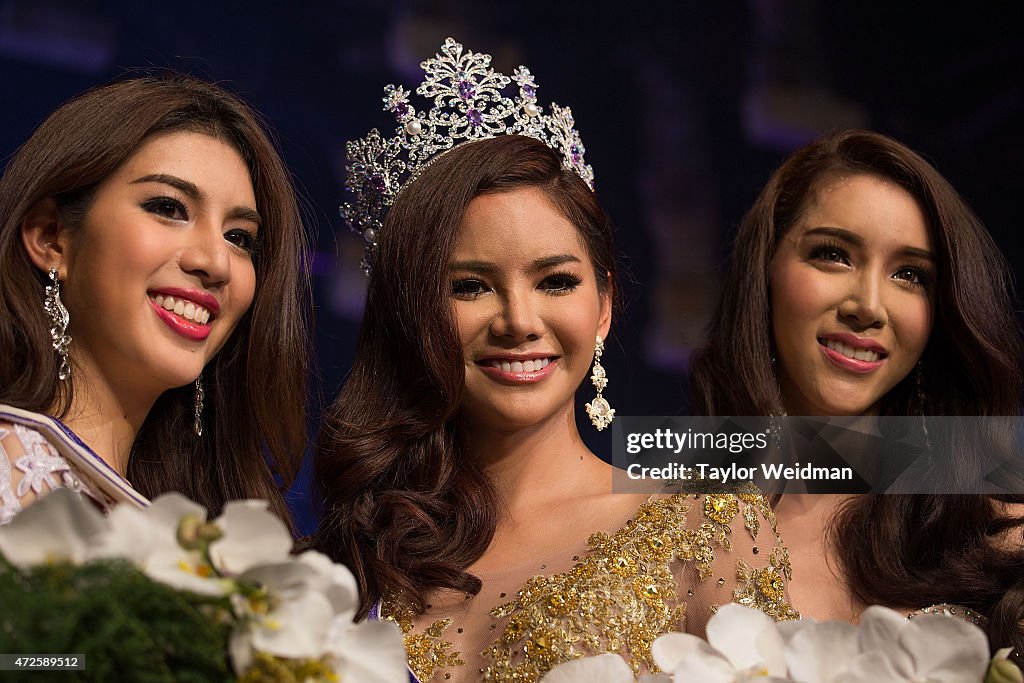
- Miss Tiffany’s Universe winners (e.g., Treechada “Poyd” Petcharat, recent 2025 champion Priyakorn): International models, actresses, and advocates who turned pageants into empowerment platforms.
- Bell Nuntita: Viral Thailand’s Got Talent star whose voice range wowed judges.
- Others: Directors like Tanwarin Sukkhapisit (elected to Parliament), musicians, and everyday heroes in business and activism.
These figures prove kathoey contribute across sports, entertainment, politics, and arts.
Gender-Affirming Care, Surgery & Legal Status in Thailand (2026 Update)
Thailand pioneered affordable, high-quality SRS since 1975 and remains a global hub (2–3 procedures weekly in Bangkok alone). Hormones and surgeries are accessible, with a recent 2025 government investment in trans healthcare (145 million baht for hormones).
Legal realities:
- No automatic legal gender marker change post-SRS (bills proposed and under discussion).
- Same-sex marriage legalized effective January 2025 – major win for couples.
- Military exemption for kathoey via “gender mismatch” diagnosis.
- ID documents still reflect birth sex, causing daily hurdles (e.g., uniforms, marriage, adoption).
Advocates push for full recognition; progress is steady but incomplete.
Tips for Respectful Interactions in Bangkok
- Use “she/her” and preferred names.
- “Kathoey” is neutral in context; ask politely or use “lady”/“miss.”
- In cabarets: Applaud, tip generously, buy drinks – support the performers.
- Avoid assumptions about sex work; many kathoey have mainstream jobs.
- Photography: Always ask first.
- Respect privacy – not every feminine person wants to discuss identity.
- Support ethical venues listed on BangkokAfterDark.com.
Common Myths vs. Facts
Myth: All ladyboys are sex workers. Fact: Most work in diverse fields; entertainment is a choice, not default.
Myth: Kathoey is a recent Western import. Fact: Roots in ancient Buddhism and Southeast Asian traditions.
Myth: “Ladyboy” is always offensive. Fact: Context matters – fine in tourism, but “kathoey” or self-ID preferred locally.
Myth: Thailand offers full legal equality. Fact: Strong social tolerance + healthcare access, but legal gender recognition lags.
Why Bangkok’s Kathoey Culture Matters for Visitors
Kathoey embody Thailand’s famous “live and let live” spirit – a third-gender tradition that survived centuries and now thrives in one of Asia’s most exciting cities. Whether catching a dazzling cabaret at Asiatique, cheering at a Muay Thai bout, or simply appreciating the beauty and resilience on Bangkok streets, you’ll experience a uniquely Thai celebration of diversity.
Ready to explore? Check BangkokAfterDark.com for updated 2026 cabaret tickets, ladyboy-friendly bars, safety guides, and more insider nightlife recommendations. Book responsibly, tip generously, and approach with an open heart.
FAQ – Quick Answers
- Is “ladyboy” offensive? Can be; use with care or stick to “kathoey.”
- Best ladyboy show in Bangkok? Calypso Cabaret – consistently top-rated.
- Can Kathoey marry? Yes, with same-sex marriage (2025), legal gender issues persist.
- Safe for solo female/male travelers? Yes – Thai hospitality extends to all.
Thailand’s kathoey community isn’t just “part of the nightlife” – it’s woven into the cultural fabric. Come for the shows, stay for the stories. Welcome to Bangkok’s colorful after-dark world. 🌟
Some of our visitors have submitted their stories on their first time ladyboy experiences:
- Cascade Bar to Casanova: ten days that challenged everything I knew
- A Journey of Love and Betrayal: My first ladyboy experience
- My First Ladyboy Experience in Bangkok: A Solo Traveler’s Honest Story
Or you can read our guide: How to Meet Ladyboys in Bangkok: A Comprehensive Guide